
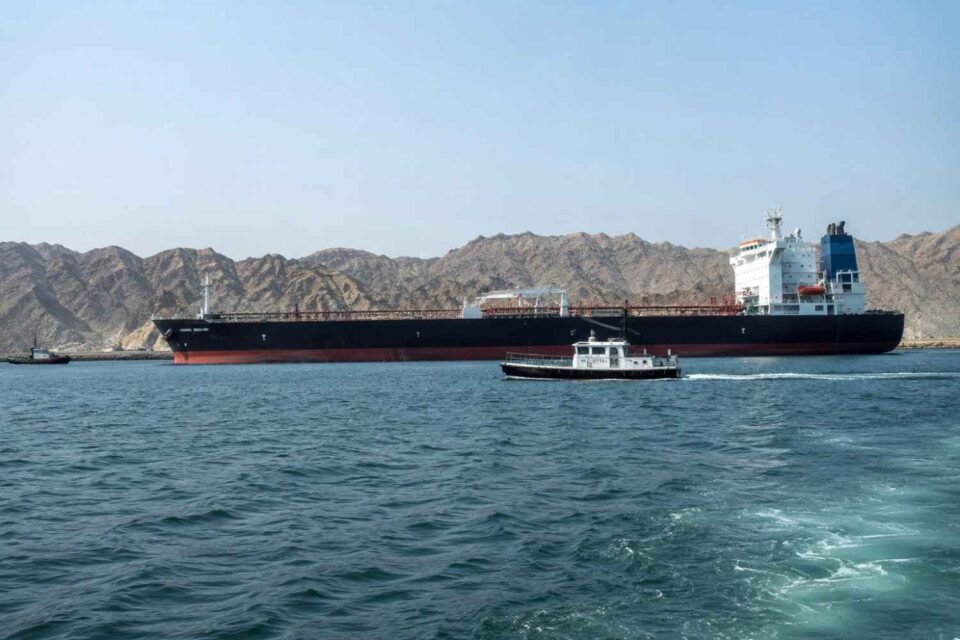
Strait of Hormuz Tanker Traffic Slows as Ships Avoid Key Oil Route
Strait of Hormuz tanker traffic has slowed sharply after renewed security threats in the Gulf, raising concerns over global oil supplies and shipping.
Several commercial vessels have delayed their journeys or changed routes following recent attacks near the strategic waterway, prompting shipping companies to take extra precautions.
The Strait of Hormuz is one of the world’s busiest energy corridors, carrying nearly one-fifth of global oil exports each day.
Any disruption in this route can quickly affect oil markets, freight costs, and international trade. While the waterway remains open, fewer tankers are passing through as operators assess the risks and wait for conditions to improve.
Why Are Ships Avoiding the Strait of Hormuz?
Shipping firms are prioritising crew safety as regional tensions remain high. Some vessels have postponed departures, while others are increasing security measures or using alternative routes where possible. The slowdown has also pushed up insurance costs and added uncertainty to global supply chains.
For Gulf countries, including the UAE, the situation is being closely monitored because the Strait of Hormuz is a vital route for energy exports.
Analysts say prolonged disruption could increase shipping costs and put upward pressure on oil prices if traffic does not return to normal.
Although commercial shipping has not stopped, the latest developments show how quickly geopolitical tensions can affect global trade.
Markets will continue watching the Strait of Hormuz tanker traffic closely in the coming days as governments and shipping companies respond to the evolving security situation.
