
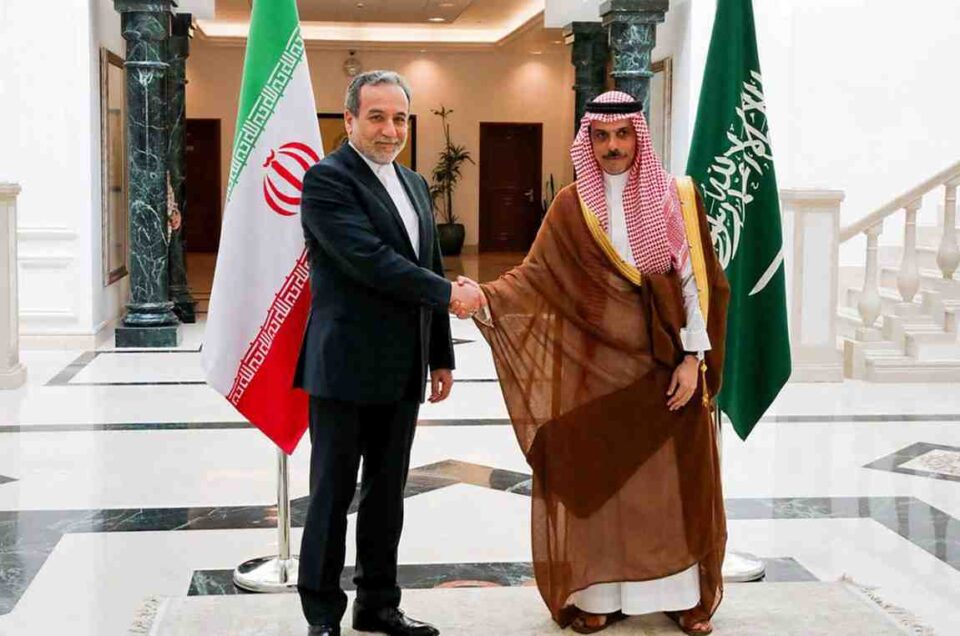
Iran and Saudi Arabia Stress Dialogue to Prevent Wider Middle East Crisis
Amid rising tensions in the Middle East, Iran and Saudi Arabia have struck a cautiously optimistic tone, stressing the importance of sustained dialogue to prevent a wider regional crisis. Cautious optimism from regional rivals.
Officials from both countries have underscored that communication channels must remain open, even as the broader conflict in the region continues to create instability. Their remarks come at a time when the Middle East is grappling with escalating geopolitical tensions linked to the ongoing war involving Iran and global powers, which has already disrupted energy markets and heightened security concerns across the Gulf. Open communication channels essential.
Both sides acknowledged that while differences remain, diplomatic engagement is essential to avoid further escalation. The emphasis on dialogue reflects a shared understanding that miscalculations or unchecked hostilities could trigger a much larger conflict, potentially affecting not only neighbouring countries but also global trade and energy supplies. Diplomatic engagement to avoid escalation.
Recent developments suggest that diplomatic efforts are gaining momentum in multiple arenas. Backchannel talks and mediation efforts involving regional and international actors are underway, with some reports indicating that negotiations aimed at easing tensions are progressing, even if a final agreement remains uncertain. Backchannel talks gaining momentum.
The push for dialogue also comes against the backdrop of direct and indirect confrontations in the region. Attacks on critical infrastructure and heightened military activity have raised fears of a broader war, prompting calls from various countries for restraint and de-escalation. Fears of broader war prompt restraint calls.
Saudi Arabia, which has been directly affected by regional instability in the past, has reiterated its commitment to safeguarding its national security while also advocating for diplomatic solutions. Iranian officials, on the other hand, have signalled openness to discussions, though they continue to express concerns about the terms and conditions of proposed agreements. Saudi commitment to security, Iran openness to talks.
Analysts describe the current situation as a delicate balancing act. On one hand, both nations are wary of appearing weak or conceding too much ground. On the other, there is growing recognition that prolonged conflict could have devastating economic and humanitarian consequences for the region. A delicate balancing act.
The global implications of the crisis are also significant. The Strait of Hormuz—a vital artery for global oil shipments—has been at the centre of tensions, with disruptions affecting supply chains and contributing to volatility in energy markets. Any escalation involving Iran and Saudi Arabia could further destabilise this crucial route, amplifying the economic impact worldwide. Strait of Hormuz at the centre of tensions.
Despite these challenges, the tone adopted by both countries suggests a willingness to explore diplomatic avenues. Officials have highlighted that meaningful dialogue requires mutual respect, trust-building measures, and a commitment to addressing core concerns through negotiation rather than confrontation. Willingness to explore diplomacy.
Observers note that the cautious optimism expressed by both sides should not be mistaken for a resolution. Deep-rooted political, strategic, and ideological differences remain, and the path to lasting stability is likely to be complex and uncertain. However, the renewed emphasis on dialogue marks a potentially important step toward reducing tensions. Caution: differences remain.
Also Read: Big Political Win: Bharatiya Janata Party-Led NDA Set for Powerful Third Term in Assam
In essence, as the Middle East navigates one of its most volatile periods in recent years, Iran and Saudi Arabia appear to be signalling that diplomacy—however fragile—remains the most viable path to preventing a full-scale regional crisis. Diplomacy as the most viable path. Iran and Saudi Arabia choose cautious dialogue. A fragile hope for de-escalation.
