
Oman Emerges as Key Logistics Hub Amid Middle East Shipping Disruptions
Oman has rapidly become a crucial logistics centre for maritime trade in the Middle East, as ongoing regional tensions continue to disrupt traditional shipping routes. According to a recent analysis by maritime intelligence firm Windward, the country is now serving as a strategic workaround for cargo movement, helping global trade adapt to growing security risks.
Strategic Location Gives Oman an Advantage
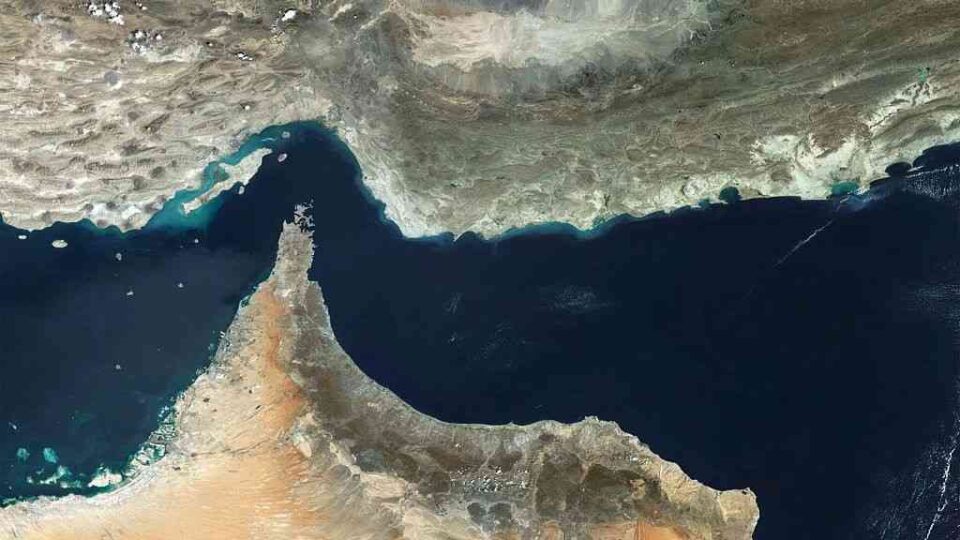
Oman’s ports—including Salalah, Sohar, and Duqm—have gained prominence due to their unique geographic positioning. Unlike many major Gulf ports, these facilities are located outside high-risk maritime zones such as the Strait of Hormuz and the Bab el-Mandeb. This allows vessels to offload cargo without entering areas affected by conflict or instability, significantly reducing security risks for shipping lines.
As a result, Oman has become one of the few safe and reliable entry points for goods heading into the Gulf region. With traditional routes becoming increasingly uncertain due to missile threats and military activity, shipping companies are turning to Omani ports as an alternative hub for operations. The country’s stable political environment further enhances its appeal as a logistics base.
Shift in Global Shipping Patterns
The disruption of maritime traffic through key chokepoints has forced a significant shift in global shipping patterns. Cargo that would normally be delivered directly to Gulf ports is now being rerouted through Oman. Major shipping lines have adjusted their routes to avoid high-risk zones, prioritizing safety over direct delivery.
Large vessels are increasingly offloading shipments at Omani ports or other safer locations such as Colombo and Khor Fakkan. From there, goods are either transported via smaller feeder ships or moved overland into neighbouring countries. This multi-modal approach allows supply chains to maintain continuity despite the closure of traditional routes.
This evolving system allows major shipping lines to avoid high-risk zones while still maintaining the flow of goods. However, it also transfers some of the logistical burden to smaller vessels and land transport networks, which have had to scale up operations to accommodate the increased cargo volumes.
New Logistics Model Takes Shape
What initially began as an emergency response has now evolved into a more structured logistics model. Authorities and logistics operators have formalised new processes to ensure smoother cargo movement. Customs procedures have been streamlined, and coordination between ports and border authorities has improved significantly.
One example is the introduction of a “Green Corridor” between Oman and the UAE. Under this system, goods cleared at Omani ports can be transported by road into the UAE through designated border points, streamlining customs procedures and reducing delays. This initiative has cut transit times and reduced bureaucratic hurdles for shipping companies.
Other countries in the region have also begun adapting to this model. Qatar, for instance, has designated Omani ports as primary alternatives to its main port, further reinforcing Oman’s growing role in regional trade. The arrangement allows Qatar to maintain its import volumes without exposing cargo vessels to risky waters.
Decline of Traditional Hubs
At the same time, some previously important logistics centres have seen their role diminish. The report highlights that the UAE’s Fujairah port, once a major bunkering hub, has experienced a decline in activity. This shift has redirected both cargo traffic and fuel demand toward Oman’s ports, particularly Duqm, which has expanded its bunkering capabilities.
The changing dynamics underline how quickly global supply chains can adjust in response to geopolitical challenges. What was once a secondary port network has now become the backbone of Gulf maritime trade, illustrating the resilience of international logistics.
Controlled Access Through Hormuz
While some shipping activity continues through the Strait of Hormuz, it is no longer operating under normal conditions. Instead, movement is being managed through controlled routes, with limited access granted under specific conditions. Iran’s selective restriction policy has made passage unpredictable, further reinforcing the need for alternative logistics solutions.
This has further reinforced the need for alternative logistics solutions, with Oman emerging as the most viable option for many operators. Shipping lines have updated their contingency plans to include Omani ports as standard stops rather than emergency alternatives.
Long-Term Impact on Trade
Experts suggest that these changes could have lasting effects on global trade patterns. Oman’s role as a logistics hub is no longer temporary but is becoming embedded in shipping operations, pricing structures, and supply chain planning. The shift has prompted some logistics companies to establish permanent operations in Oman.
The country is now handling increased volumes of cargo, fuel demand, and rerouted shipments, positioning itself as a central player in the region’s maritime network. Investments in port infrastructure and logistics facilities are expected to accelerate as Oman consolidates its new role.
Also Read: Game-Changing Era: AI Forces Top CEOs at Coca-Cola and Walmart to Step Down
Conclusion
Oman’s rise as a logistics workaround highlights the adaptability of global trade in times of crisis. As geopolitical tensions continue to reshape shipping routes, the country’s ports are playing a vital role in keeping goods moving across the region. The successful redirection of cargo demonstrates how supply chains can innovate under pressure.
With new systems in place and demand growing, Oman is likely to remain a key hub for maritime logistics, even as the situation evolves. The country’s strategic positioning, combined with its stable environment and proactive infrastructure development, positions it well for continued growth in the logistics sector.
