
Iran Heads to Oman for Nuclear Talks With U.S. as Internal Crackdown Escalates
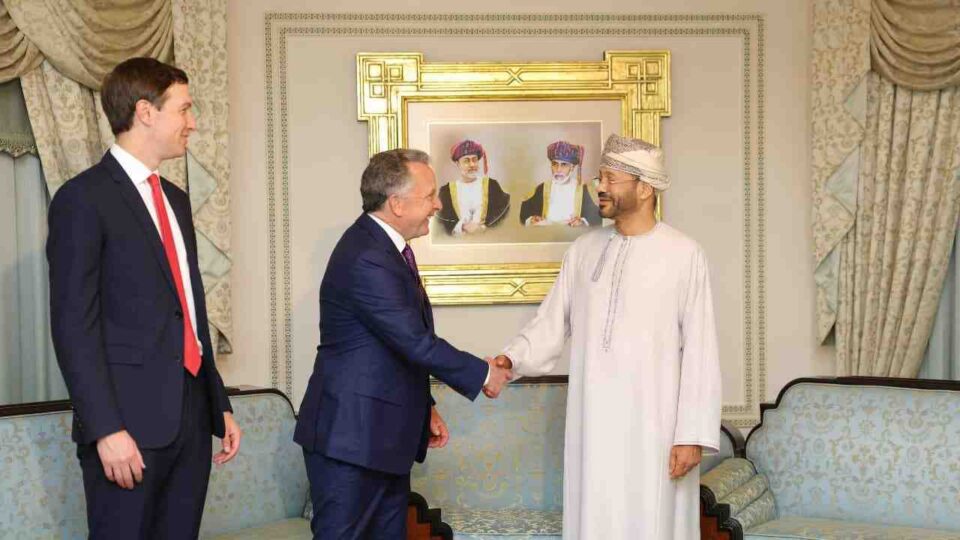
In a significant diplomatic move, Iran has sent top security adviser Ali Larijani to Oman to resume nuclear talks with the United States. The meetings in Muscat, scheduled for Friday, aim to reduce the risk of military confrontation and address Washington’s sanctions. This engagement unfolds against a backdrop of severe internal crackdown in Iran, where nationwide protests have been met with violent suppression, complicating the geopolitical landscape.
Diplomacy in Muscat: A Return to Familiar Ground
Oman, a long-standing neutral intermediary, is once again hosting high-stakes Iran-US negotiations. Iranian Foreign Minister Abbas Araghchi confirmed the talks, emphasizing a pursuit of “fair and equitable” discussions focused squarely on nuclear issues and sanctions relief.
Previous attempts in Turkey stalled, making Oman the preferred venue due to its trusted ties with both nations.
The talks represent a continued effort to restart diplomacy after years of strained relations, though they are narrowly focused and exclude broader regional conflicts.
The U.S. Position: Diplomacy Backed by Pressure
The Biden administration is pursuing talks while maintaining a posture of sustained pressure. The core U.S. demand remains clear: preventing Iran from developing nuclear weapons through verifiable limits on uranium enrichment.
U.S. strategy blends diplomacy with a credible military threat, underscored by recent repositioning of assets in the Middle East.
Washington seeks a pathway for sanctions relief contingent on concrete concessions from Tehran regarding its nuclear program, a divide that has historically made negotiations fragile.
Domestic Unrest: A Nation in Crisis
As Iran engages internationally, it faces a profound domestic crisis. Widespread protests over economic hardship and political repression have been met with a brutal government response.
Independent reports indicate thousands of deaths and over 50,000 arrests since the protests began.
The sentencing of Nobel laureate Narges Mohammadi to additional prison years highlights the expanding crackdown on dissent.
This internal turmoil fuels international criticism and threatens to undermine diplomatic goodwill, presenting Tehran as a regime simultaneously negotiating and suppressing its populace.
International Implications and Regional Stability
The juxtaposition of nuclear diplomacy and internal repression places Iran at a critical crossroads. Regional leaders support keeping channels open, fearing that a collapse in talks could destabilize the entire Middle East.
The success of the Oman negotiations is uncertain, hinging on bridging deep technical and political divides.
The international community watches closely, hoping diplomacy can prevent escalation, even as Iran’s human rights record comes under intensified scrutiny.
Also Read: Saudi Arabia Introduces Bold Policy Letting Wealthy Foreigners Purchase Alcohol
Conclusion: A Delicate Balance
The resumption of Iran-US talks in Oman offers a narrow window to de-escalate one of the world’s most persistent security threats. However, the path is fraught with challenges, from technical disagreements over enrichment to the profound shadow cast by Iran’s internal crackdown. The outcome will test whether diplomatic engagement can proceed independently of domestic politics, or if the two arenas are inextricably linked in defining Iran’s future on the global stage.
