
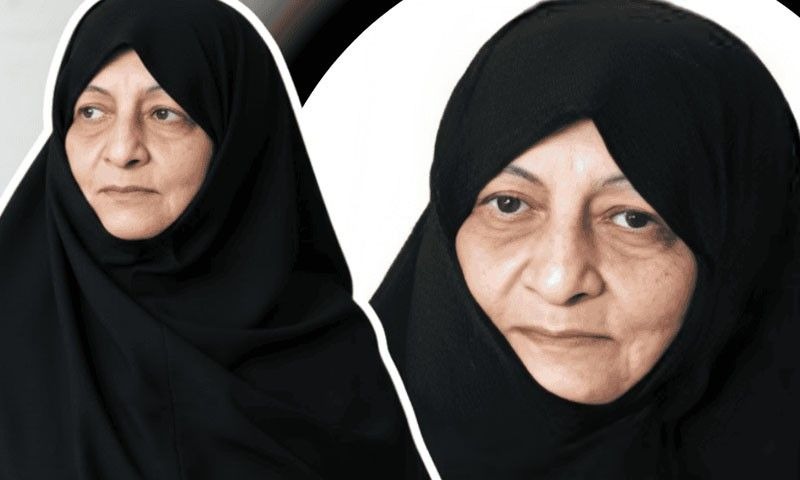
Iran’s Supreme Leader’s Wife Dies From Injuries After US–Israel Strikes; Conflict Deepens
Tehran, Iran — In a dramatic and sorrowful development at the centre of the escalating Iran–Israel–United States conflict, Mansoureh Khojasteh Bagherzadeh — the wife of Iran’s recently killed Supreme Leader Ali Khamenei — has died after being wounded in the same series of military strikes that killed her husband, compounding the tragedy for the Islamic Republic’s leadership. Iranian state media confirmed her death on March 2, 2026, marking another tragic milestone in what has become one of the most severe regional confrontations in years with potentially far-reaching consequences.
Background: A Leadership Assassination Shocks Iran
The violence was triggered by a large-scale joint military operation by American and Israeli forces that targeted key Iranian leadership, including Khamenei himself, in a strike clearly designed to decapitate Iran’s ruling structure. The 86-year-old cleric — who had served as Iran’s highest authority since 1989 and held ultimate power over the country’s military, judiciary, and political institutions — was confirmed killed earlier this week when a strike hit his compound in Tehran, marking a shocking escalation in hostilities between Tehran, Washington and Jerusalem.
Following Khamenei’s death, Iranian authorities announced an extended period of national mourning and vows of response against what Tehran calls a “brazen act of aggression” that cannot go unanswered, setting the stage for further escalation.
Wife Succumbs to Wounds
Mansoureh Khojasteh Bagherzadeh, who had been married to Khamenei for decades and was known within Iran’s ruling circles as a figure of influence, had been injured in the same strikes that took her husband’s life, caught in the bombardment of the leadership compound. According to multiple Iranian media reports, she sustained serious wounds during the initial bombardment and was receiving treatment at an undisclosed medical facility.
However, her condition deteriorated rapidly despite medical efforts, and Iranian state outlets later announced that she had died from her injuries, adding a deeply personal dimension to the national tragedy. Her passing deepens the shock felt across Iran, where the deaths of both the nation’s supreme leader and his spouse in quick succession represent a profound and rare upheaval for the Islamic Republic’s political establishment.
Wider Toll and Conflict Dynamics
The joint U.S.–Israeli campaign reportedly involved extensive airstrikes aimed at strategic military and government sites across Iran, including locations in and around Tehran, in a coordinated effort to degrade Iranian military capabilities. In addition to Khamenei and his wife, other senior Iranian officials, family members and civilians are reported to have been killed or wounded in the wave of attacks, though exact numbers remain unclear.
The loss of Iran’s supreme leader — a figure wielding ultimate control over the country’s military, judiciary and political hierarchy — has left a leadership vacuum that experts say could have deep and lasting effects on Iranian governance and the wider region, potentially triggering internal power struggles.
In response to the attacks, Tehran has vowed retaliation with increasing intensity. Iranian military and allied groups have launched missile and drone strikes against Israeli positions, and militant allies such as Hezbollah have reportedly opened fronts against Israel from Lebanese territory. This back-and-forth escalation has sparked fears of a wider Middle Eastern conflagration drawing in multiple actors.
Diplomatic Reactions and Global Alarm
Global leaders have responded with heightened concern as the conflict threatens to spiral out of control. Russia’s president condemned the killing of Khamenei and his family as a violation of international law and morality, highlighting the broader unease in international diplomatic circles over the conflict’s expansion and potential for further destabilization.
Meanwhile, the United States and Israel have defended their actions as necessary to neutralize threats they say emanate from Tehran’s nuclear program and regional proxies, though independent verification of military claims remains difficult amid wartime information controls and propaganda from all sides.
Domestic Impact in Iran
Inside Iran, state media coverage has been intensely emotional and focused on national unity in the face of external aggression. News outlets broadcast images and footage of mourning, including reports of television anchors visibly overcome during announcements of the deaths of national leaders and their families, reflecting the profound shock.
Iranian authorities declared extended periods of mourning, shutting down some public activities as a mark of respect for the fallen leader and his wife, while maintaining security across the country.
For ordinary Iranians, the ramifications of these events — from economic sanctions and military responses to potential internal instability — are expected to reverberate widely, affecting daily life beyond the immediate theatre of conflict.
Looking Ahead: Uncertain Future
With the deaths of one of Iran’s most powerful figures and now his spouse, the trajectory of the Iran–US–Israel confrontation remains volatile and unpredictable. Diplomatic efforts to prevent full-scale war have so far struggled to gain traction amid mutual recriminations, and analysts warn that the coming days could see further escalations or even new fronts opened in the conflict.
For now, the deaths of Mansoureh Khojasteh Bagherzadeh and Ali Khamenei stand as stark symbols of how deeply entrenched the hostility in the Middle East has become — and how costly it continues to be, both for leadership and civilians alike.
Also Read: Oil Could Top $100 if Strait of Hormuz Disrupted Amid Middle East Conflict, Analysts Warn
Conclusion
The death of Iran’s supreme leader’s wife alongside her husband marks a new and personal dimension to an already devastating conflict. As Iran mourns and vows revenge, the region braces for what comes next.
Khamenei and wife dead. Iran in mourning. The Middle East holds its breath.
