
India Faces Energy Crisis as Strait of Hormuz Conflict Disrupts Oil Imports
New Delhi, India — The ongoing military confrontation involving the United States, Israel and Iran — triggered by recent strikes and counter-attacks in the Middle East — has sharply disrupted global energy markets, sending oil prices higher and exposing vulnerabilities in countries that heavily depend on imported crude. For India, a major oil-importing economy, the spillovers are already prompting intense planning and emergency response measures by government and industry officials to mitigate economic fallout that could affect millions of consumers.
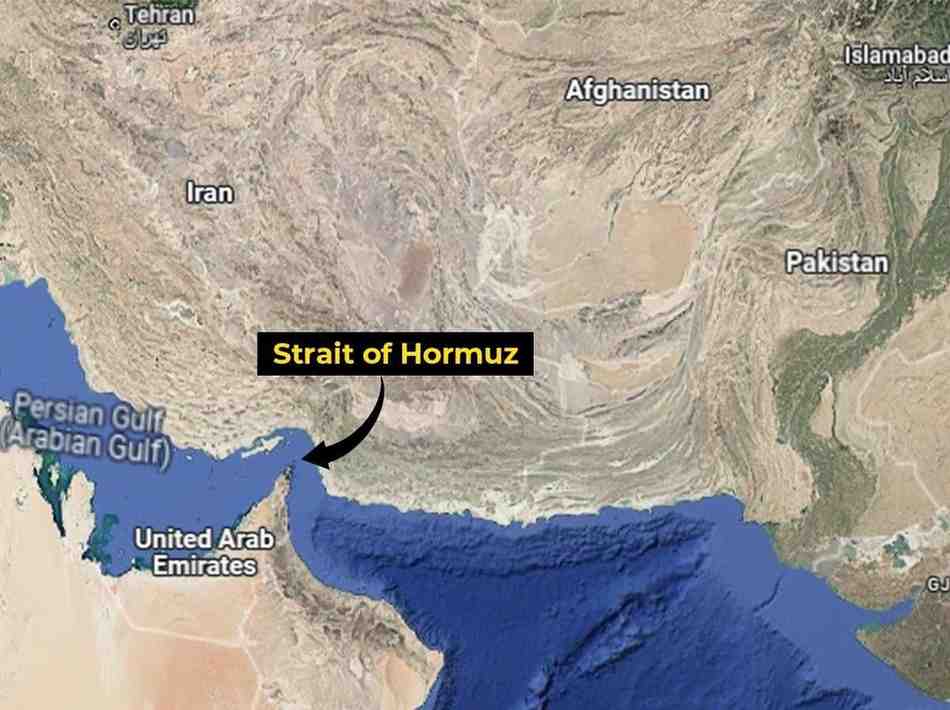
At the center of concern is the Strait of Hormuz, the narrow maritime corridor between the Persian Gulf and the Gulf of Oman through which roughly 20% of global crude oil and LNG supplies transit daily, making it one of the world’s most critical energy chokepoints. Following military strikes on Iranian territory, commercial shipping through the strait has slowed amid heightened risks of further escalation from Tehran, which has threatened to target energy infrastructure and close the route altogether — a move that would dramatically squeeze global oil flows and send prices skyrocketing.
India’s Energy Exposure and Immediate Risks
India imports nearly 90% of its crude oil needs, making it extraordinarily vulnerable to global supply disruptions. About half to two-thirds of this comes from Gulf countries like Iraq, Saudi Arabia, Kuwait, the UAE and Qatar — all regions whose oil shipments cross the Hormuz chokepoint, creating a dangerous concentration of risk.
The sudden threat to supply has already lifted Brent crude prices to multi-month highs, adding pressure to India’s import bill and fuelling inflationary expectations across the economy. Every $1 rise in crude prices adds roughly $2 billion to India’s annual oil import expenditure, according to market analysts, a significant fiscal burden.
So far, domestic petrol and diesel prices have remained stable — owing to government subsidies and existing buffer stocks — but officials admit that a prolonged crisis could force adjustments if the international price spike persists and supply routes remain threatened.
Government’s Response and Preparedness
To avert a fuel crisis at home, New Delhi is taking a range of steps to protect consumers and industry from the worst effects of the conflict:
1. Emergency Monitoring and Strategic Reviews
Government ministries, including the Prime Minister’s Office, the oil ministry and strategic planners, are closely tracking the situation in West Asia, treating it as a top priority. They are assessing crude oil inventories, supply routes and potential bottlenecks should waters like the Strait of Hormuz face extended disruption.
Oil Minister Hardeep Singh Puri has assured that India has “robust energy reserves” and is prepared to maintain affordability and availability of petroleum products, underlining that proactive monitoring systems are in place to respond to any supply disturbances.
2. Diversifying Oil Sources
With risks concentrated on Gulf imports, India is exploring alternative crude supply routes and sources to reduce dependence on the chokepoint. Refiners are considering purchases of crude from non-Hormuz producers such as Russia, West Africa, Latin America and the U.S., and making “oil on water” spot purchases when possible to shore up stocks.
This diversification strategy is seen as a buffer but comes with higher freight and insurance costs, potentially lifting landed crude prices in the short term as suppliers demand premiums for risk.
3. LPG and Fuel Management
Alongside oil, significant amounts of liquefied petroleum gas (LPG) used for cooking across Indian households are imported from the Gulf, also via the Hormuz route, making the cooking gas supply vulnerable. Authorities are discussing demand-management tactics, including potential rationing or prioritising of LPG supplies if shortages deepen — a sign of how far preparations have extended beyond just crude imports.
Wider Economic Implications
Beyond fuel, the conflict threatens broader macroeconomic stability across multiple dimensions:
Stock markets have already responded negatively, with significant wealth wiped out in recent sessions as investors price in risk and volatility, reflecting broader economic uncertainty.
Remittance flows — a major support for India’s external accounts — could weaken if Indian workers in the Gulf see reduced earnings or return home amid instability, reducing a crucial source of foreign currency.
Rising shipping and insurance costs owing to heightened geopolitical risks are squeezing exporters and importers, increasing the cost of goods movement and potentially feeding into consumer inflation.
Analysts also warn that an extended conflict might widen India’s current-account deficit, put downward pressure on the rupee, and dampen economic growth if oil prices soar beyond $90–100 per barrel, levels that would significantly impact the economy.
Outlook and the Road Ahead
Government officials remain cautiously optimistic that short-term volatility can be managed without major disruption to consumers, bolstered by strategic reserves and alternative procurement strategies already in motion. However, they acknowledge that much depends on how long the regional conflict persists and whether critical shipping routes like the Strait of Hormuz return to stability.
For now, India’s response blends energy security planning, supply diversification and vigilant monitoring, aiming to cushion its economy from the ripple effects of a distant war that has very real consequences for domestic fuel prices, trade flows and overall economic confidence.
Also Read: Strong 6.1 Earthquake Shakes Indonesia’s Sumatra Island, No Major Damage Reported Yet
Conclusion
India’s energy security hangs in the balance as the Strait of Hormuz conflict disrupts global oil flows. With half its crude at risk, the government scrambles to diversify supplies and reassure a nervous public.
Strait of Hormuz under fire. India’s oil imports threatened. The economic fallout has begun.
