
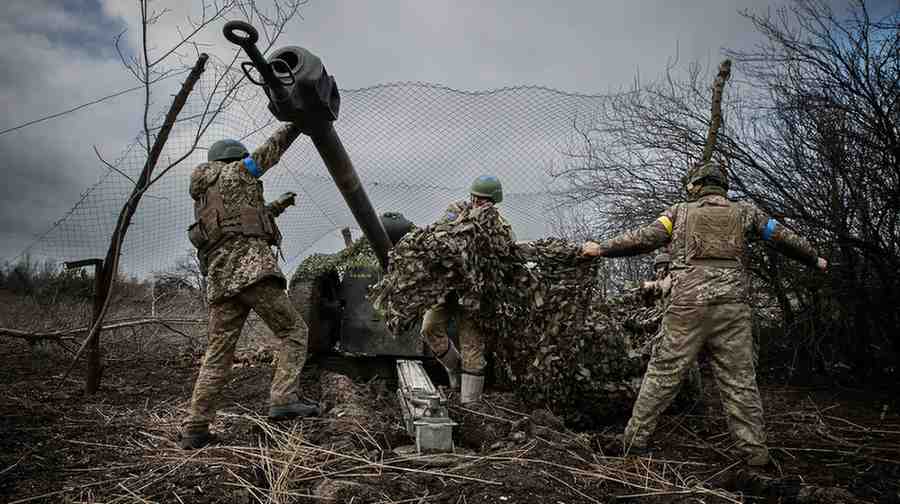
US Pressures European Allies on Strait of Hormuz Using Ukraine Military Support Leverage
The United States has reportedly used its leverage over Ukraine military support to pressure European allies into joining a coalition aimed at reopening the Strait of Hormuz, as tensions in the Middle East continue to disrupt global oil supplies. The move signals a significant shift in US diplomatic strategy.
According to officials familiar with the discussions, Washington signalled that continued weapons support for Ukraine could be reconsidered if European nations failed to contribute more actively to securing the key maritime route. The move is seen as part of a broader strategy by US President Donald Trump to shift responsibility for the crisis onto allies while maintaining pressure on Iran. The linkage has raised eyebrows in diplomatic circles.
The Strait of Hormuz, a vital global energy chokepoint through which roughly a fifth of the world’s oil passes, has been at the centre of the ongoing conflict. Since the escalation of hostilities, shipping through the strait has been severely disrupted, triggering a sharp rise in oil prices and increasing fears of a prolonged global energy crisis. The economic stakes are extremely high.
In response to US pressure, several European countries — including France, Germany and the United Kingdom — have indicated a willingness to support efforts to ensure safe passage through the strait. However, the extent of their involvement remains unclear, with many nations still favouring a diplomatic resolution over direct military participation. European leaders remain cautious.
The Trump administration has been pushing for a “coalition of the willing” to tackle the Hormuz blockade, arguing that countries heavily dependent on Gulf oil should take a more active role. Critics, however, view the strategy as an attempt to offload the burden of the conflict while maintaining US influence in the region. The approach has sparked debate among foreign policy experts.
The situation remains highly fluid, with no clear resolution in sight. While Washington has suggested that military objectives in Iran are nearing completion, uncertainty continues over how the strait will be reopened and whether diplomatic negotiations can succeed. Multiple mediation efforts are ongoing simultaneously.
Analysts warn that failure to restore normal shipping routes could have long-term economic consequences, including sustained high energy prices and further strain on global trade. At the same time, the geopolitical implications of linking Ukraine aid to Middle East security efforts have raised concerns about growing tensions within Western alliances. The linkage could have unintended consequences.
Also Read: Strategic Peace Effort: US VP JD Vance Leads Backchannel Talks on Iran Crisis
As the crisis unfolds, the focus remains on whether international cooperation can stabilise the region — or whether the conflict will deepen, prolonging disruptions to one of the world’s most critical energy corridors. The coming weeks will be crucial in determining the outcome of both the Hormuz situation and transatlantic relations. The world is watching closely.
