
Missile Alerts in Gulf and Israel Raise Doubts Over US-Iran Ceasefire Stability
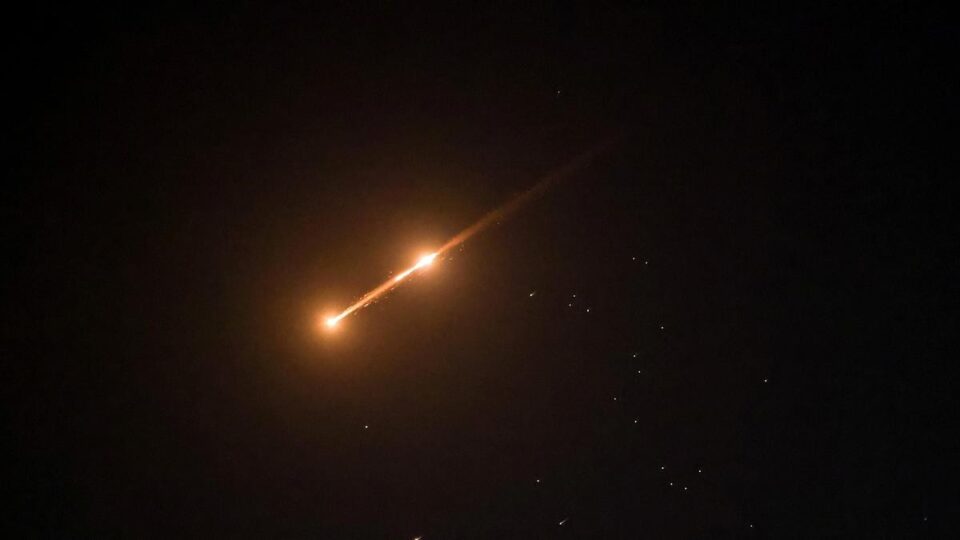
Fresh tensions gripped the Middle East as missile alerts were reported across several Gulf countries and Israel, even after the United States and Iran announced a temporary ceasefire aimed at easing weeks of escalating conflict. The timing of the alerts has raised serious concerns.
Air raid sirens sounded in countries including Saudi Arabia, Bahrain, Kuwait, and Israel, forcing authorities to activate emergency protocols and urging residents to seek shelter. The alerts came shortly after the announcement of a two-week truce, raising concerns about how effectively the ceasefire is being implemented on the ground. The fragility of the truce is evident.
According to reports, multiple countries detected incoming missile threats, with defense systems quickly deployed to intercept projectiles. In Israel, officials confirmed that missiles had been launched toward its territory, prompting swift response measures and emergency services deployment in affected areas. Similar alerts were issued across parts of the Gulf, highlighting the widespread nature of the threat. The response was immediate.
In the United Arab Emirates, authorities responded to an incident at a key gas processing facility in Abu Dhabi after a reported strike triggered a fire. Meanwhile, Qatar and other Gulf nations activated air defense systems to neutralize incoming threats, preventing further damage in several locations. Defenses held in most cases.
The renewed missile activity has cast serious doubt over the stability of the ceasefire. Although both Washington and Tehran agreed to pause offensive operations, reports indicate that hostilities have not completely stopped, with continued attacks and alerts being recorded across the region. The pause is not holding.
Experts suggest that the situation reflects the complexity of enforcing a ceasefire in a multi-front conflict. Iran’s decentralized military structure, where regional commanders may operate with some autonomy, could delay or complicate the implementation of central orders, increasing the risk of continued strikes even after official announcements. Command and control challenges persist.
The conflict, which began earlier this year, has already caused significant damage to infrastructure and heightened fears of a broader regional war. Despite the ceasefire offering a brief window for diplomacy, ongoing missile alerts underline how fragile the situation remains. The respite may be temporary.
As global attention stays fixed on the region, governments continue to remain on high alert, balancing hopes for de-escalation with the reality of persistent security threats. The coming days will be critical in determining whether the ceasefire can be salvaged. The world watches with bated breath.
