
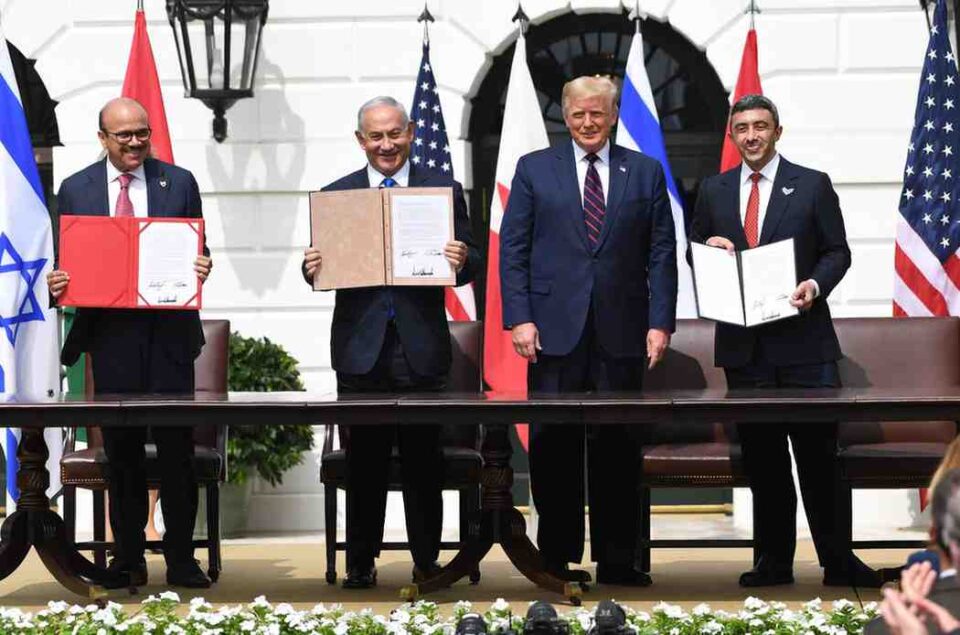
UAE and Bahrain Join U.S.-Led ‘Board of Peace’ for Gaza Conflict Resolution
The United Arab Emirates (UAE) and the Kingdom of Bahrain have officially accepted invitations to become founding members of the U.S.-initiated Board of Peace, a new international body focused on resolving the Gaza conflict and guiding its post-war reconstruction. This move signals both Gulf nations’ commitment to innovative diplomacy and aligns with their broader roles in promoting regional stability.
Formal Acceptances from the Gulf
UAE: President Sheikh Mohamed bin Zayed Al Nahyan accepted the invitation, with Foreign Minister Sheikh Abdullah bin Zayed affirming support for the full implementation of the U.S. 20-point peace plan for Gaza. The UAE will actively support the board’s mission to foster cooperation and stability.
Bahrain: King Hamad bin Isa Al Khalifa also agreed to join, with the Bahraini Foreign Ministry stating the decision demonstrates dedication to the peace plan and protecting Palestinian rights.
Understanding the ‘Board of Peace’ Initiative
The Board of Peace is a cornerstone of the U.S. peace plan for Gaza, with a mandate to mediate the conflict and oversee reconstruction. Key structural points include:
Leadership: U.S. President Donald Trump is expected to chair the board indefinitely.
Membership: Nations join on renewable three-year terms. A controversial provision allows permanent membership for a $1 billion contribution within the first year.
Broader Framework: The board operates alongside a Palestinian technocratic committee for Gaza’s daily governance and a proposed UN-mandated International Stabilization Force.
International Reactions and Debate
The initiative has received mixed global responses:
Early Joiners: Countries like Hungary, Argentina, and Morocco have accepted invitations.
European Reservations: Nations including France and Norway have declined or expressed concerns, questioning the board’s governance model and its relationship with United Nations principles.
Key Participation: Israeli Prime Minister Benjamin Netanyahu has agreed to join, despite internal political debates.
Strategic Implications for the UAE and Bahrain
The decision to join reinforces both nations’ diplomatic strategies:
It aligns with their post-Abraham Accords foreign policy, deepening engagement with U.S.-led regional initiatives.
It underscores their roles as active mediators in Middle East peace processes, promoting stability and economic development.
Also Read: Shah Rukh Khan’s ₹13 Crore Rolex Stole the Show at Joy Awards 2026
Challenges and the Path Ahead
While the board represents a novel diplomatic effort, significant challenges remain. Its ability to navigate entrenched political divisions, address immediate humanitarian needs in Gaza, and achieve consensus among diverse international stakeholders will determine its effectiveness. The coming months will be critical in assessing whether this new mechanism can translate ambitious plans into tangible peace and reconstruction outcomes.
The participation of the UAE and Bahrain provides early momentum, but the board’s ultimate success hinges on broader international legitimacy and its capacity to deliver on the ground in one of the world’s most protracted conflicts.
