
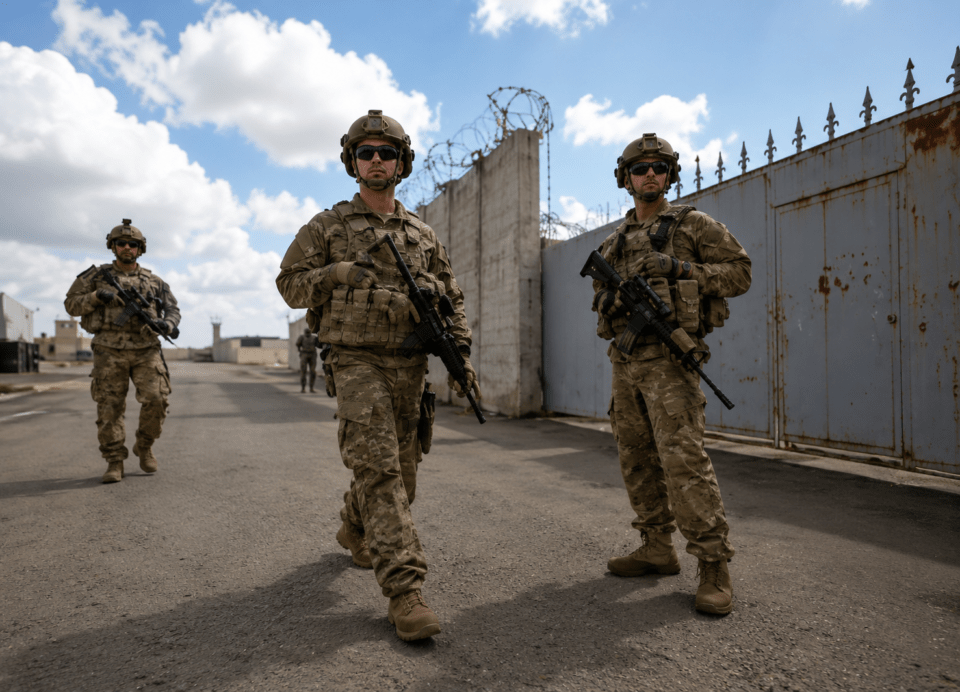
Saudi Arabia Suspends US Military Access to Bases as Middle East Tensions Rise
Saudi Arabia has reportedly suspended United States military access to several of its bases amid escalating tensions in the Middle East, signalling a major shift in regional security dynamics as fears of a wider conflict continue to grow. The reported move comes during increasing confrontation involving Iran, the United States, and key Gulf nations.
According to reports, Saudi authorities informed Washington that American forces would face temporary restrictions on using certain military bases and strategic airspace within the kingdom. The decision is believed to be linked to Riyadh’s concerns about becoming directly involved in any large scale military escalation against Iran.
The development has attracted global attention because Saudi Arabia has long remained one of America’s most important defence partners in the Gulf region. For decades, US military personnel, aircraft, and defence systems have operated from Saudi territory as part of broader regional security cooperation.
Reports suggested that the Saudi leadership is attempting to avoid actions that could expose the kingdom to retaliation from Iran or Iran backed groups. Gulf nations have increasingly expressed concern that growing military tensions could threaten regional stability, oil infrastructure, and civilian safety.
The reported suspension follows weeks of heightened military activity across the Middle East, including missile and drone attacks targeting strategic locations in Gulf countries. Regional governments have become increasingly cautious about allowing their territories to be used for offensive military operations amid fears of being drawn deeper into the conflict.
Saudi Arabia has recently focused heavily on diplomatic engagement and regional de escalation efforts. Analysts believe Crown Prince Mohammed bin Salman is pursuing a more balanced foreign policy strategy aimed at protecting economic interests, strengthening regional stability, and reducing direct military confrontation.
Security experts noted that the kingdom’s position reflects broader changes in Gulf geopolitics, where regional powers are increasingly seeking greater independence in foreign policy decisions rather than automatically aligning with Washington’s military objectives.
The reported restrictions could affect American military logistics, surveillance operations, and air missions in the region if tensions continue to escalate. However, defence analysts stressed that long term security cooperation between Saudi Arabia and the United States remains deeply established through defence agreements, arms partnerships, and intelligence coordination.
The Gulf region remains strategically critical for global energy supplies and maritime trade, particularly around the Strait of Hormuz, where tensions have repeatedly disrupted shipping routes and increased fears of wider instability.
Meanwhile, diplomatic efforts to reduce tensions between Iran and the United States continue through regional mediators including Oman, Qatar, and Pakistan. International observers say Gulf countries are increasingly prioritising negotiation and crisis management to prevent the conflict from expanding further.
Neither Saudi officials nor the US government have publicly disclosed full operational details regarding the reported restrictions. However, reports indicate discussions between military and diplomatic officials are continuing behind closed doors to manage the evolving security situation.
Political analysts believe the Saudi decision highlights the growing complexity of Middle East alliances, where countries are attempting to balance security partnerships with the need to protect national interests and avoid direct involvement in regional wars.
The situation continues to evolve rapidly as regional powers monitor military developments and ongoing diplomatic negotiations aimed at preventing a broader conflict across the Gulf.
