
Pakistan Bombs Kabul, Kandahar in Major Escalation: ‘Patience Has Run Out’
Islamabad/Kabul — Tensions between Pakistan and Afghanistan have escalated sharply into one of the most serious confrontations in recent years, with Pakistani warplanes bombing targets in Kabul and other Afghan cities after days of intense border clashes and mutual accusations that have pushed the neighbours to the brink of open warfare. Pakistan’s defence leadership has declared that its “patience has run out” with the neighbouring government, effectively signalling an open-ended conflict between the two countries that could have devastating consequences for the region.
Overnight Bombing of Kabul and Other Cities
In the early hours of 27 February 2026, Pakistani jets carried out bombing raids on Afghanistan’s capital, Kabul, followed by additional strikes on major urban and strategic centres, including Kandahar and Paktia provinces, according to both Pakistani officials and eyewitness reports that paint a picture of widespread destruction. Explosions were heard across Kabul shortly after midnight, sending residents fleeing for shelter, and Afghan anti-aircraft guns engaged the incoming aircraft in a desperate attempt to defend the city.
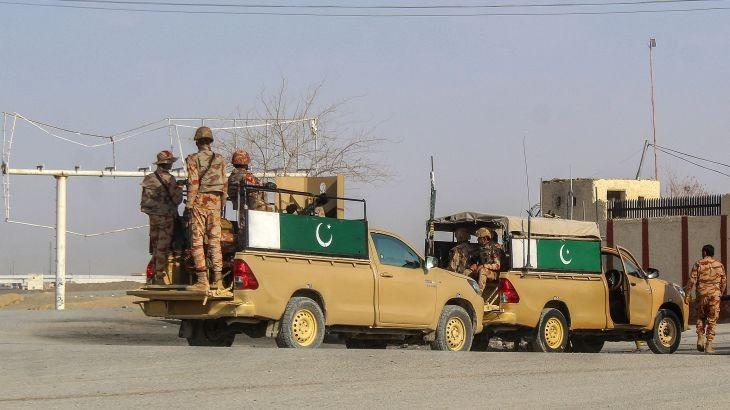
Pakistan’s government has described these air operations as a necessary retaliation after repeated attacks by Afghan forces on Pakistani border positions along the long-disputed Durand Line, the colonial-era border that Afghanistan has never formally recognised. Islamabad has accused Kabul’s authorities of failing to rein in militant groups that it claims use Afghan territory as a base to launch cross-border attacks on Pakistani soil, a charge the Afghan side — and especially the Taliban regime — vehemently denies.
Repeated Border Clashes
The intense bombardment on Friday followed several days of heavy fighting along the frontier, where ground forces had been engaged in deadly exchanges. Afghan officials said their forces had launched offensive operations against Pakistani military installations late on Thursday after what they described as unprovoked Pakistani strikes earlier in the week, claiming significant successes.
According to Kabul’s account, Afghan forces captured multiple Pakistani outposts and inflicted significant casualties on the other side, though details remain unverified. The Afghan Taliban’s leadership has portrayed these actions as defensive and justified.
Pakistan, for its part, firmly rejected Kabul’s narrative, dismissing claims of captured territory as propaganda. Islamabad insists that its forces were responding to “unprovoked firing” from Afghan guns on multiple points along the border and that its counter-operations are aimed solely at militant positions and not at civilians or non-combatants.
Conflicting Claims on Casualties and Damage
Both sides have issued sharply different figures regarding casualties and battle outcomes, and independent verification from third-party sources remains limited due to restricted access in conflict zones and the fog of war. Pakistani officials claimed that their operations have killed more than 130 Afghan Taliban combatants and wounded over 200, with several enemy posts destroyed or captured in the ongoing campaign.
Conversely, Afghan authorities maintain that significant Pakistani losses have occurred, with dozens of soldiers killed and several outposts seized during their cross-border counterattacks, offering a starkly different picture of the fighting’s toll. Afghan statements also alleged that some bodies of Pakistani soldiers were taken back into Afghan territory, though Islamabad has denied these specific claims as baseless.
Political Rhetoric and Open Conflict Declaration
Pakistan’s Defence Minister Khawaja Mohammad Asif publicly stated that Islamabad’s restraint had reached its limits, signalling that this was no longer a limited border incident. Using strong rhetoric, he framed the airstrikes as a response to what he called mounting aggression by Afghan forces and militant elements allegedly supported from Kabul, warning that more could follow.
The defence minister’s comments were interpreted by many analysts as effectively declaring a broader conflict rather than a limited border engagement, suggesting that Pakistan is prepared for sustained military action.
Prime Minister Shehbaz Sharif’s office underscored that Pakistan’s military was prepared to defend national sovereignty and territorial integrity, reiterating that any hostile act would be countered decisively. The government emphasised unity at the national level in backing the armed forces, signalling firm official resolve.
Humanitarian and Regional Concerns
The bombing runs over populated areas, including Kabul, have raised immediate concerns about civilian safety and wider humanitarian impact, with the risk of significant collateral damage. Reports from witnesses in the Afghan capital relate to ambulance sirens and residents seeking shelter as explosions echoed throughout the city, describing scenes of panic.
Though neither side has released comprehensive casualty figures for civilians, the risk of non-combatant harm has prompted international concern and calls for restraint. The United Nations has issued statements calling for restraint, urging both countries to respect international law and prioritise civilian protection above military objectives.
Regional powers, including Iran and Russia, have also urged dialogue and de-escalation, offering to facilitate talks to resolve the conflict peacefully before it spirals further out of control.
A Deepening Crisis with Broader Consequences
This escalation represents a significant downturn in relations between two neighbouring states that have long experienced periodic tensions and unresolved disputes, now threatening to become a full-scale conflict. The clashes risk undoing months of fragile ceasefire efforts previously brokered by external mediators, and they threaten displacement and instability along a border region already strained by refugee movements and security concerns.
The conflict also threatens trade and transit routes vital to both economies.
What Comes Next
As the situation continues to evolve, international diplomatic efforts may prove crucial in preventing further violence and managing the consequences of what increasingly resembles an open conflict rather than isolated frontier skirmishes. For now, both sides appear entrenched in their positions, with no clear path to de-escalation.
Conclusion
Pakistan’s bombing of Afghan cities marks a dangerous new chapter in an already fraught relationship. With both sides claiming victory and casualties, the path to peace grows ever more uncertain.
Warplanes over Kabul. Tanks at the border. Pakistan and Afghanistan descend into open conflict.
