
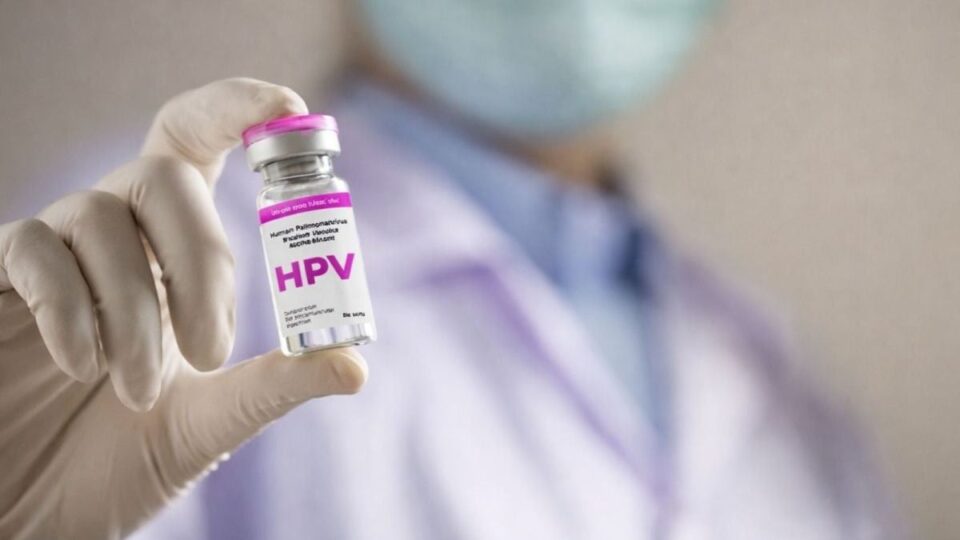
India’s HPV Vaccination Programme: A Major Public Health Win for Cervical Cancer Prevention
New Delhi, India — India is on the verge of a significant public health milestone with the launch of its nationwide Human Papillomavirus (HPV) vaccination programme — a move that experts say could substantially reduce the burden of cervical cancer across the country, saving countless lives and transforming women’s health outcomes. The programme represents years of policy work finally coming to fruition and deserves praise for prioritising preventive healthcare in women who have historically faced barriers to cancer prevention services.
Cervical cancer, largely caused by persistent infection with high-risk types of HPV, remains one of the most common cancers affecting women in India, striking down thousands each year. According to health data, India reports tens of thousands of new cervical cancer cases annually, with the disease ranking as the second most frequent cancer among women — a sobering reminder of the need for robust preventive measures that can intercept the disease before it develops.
The government’s plan centres on vaccinating adolescent girls aged around 14 years, offering the vaccine free of cost and on a voluntary basis through government health facilities across the country. Unlike many other immunisation efforts where vaccines are tied into routine childhood schedules, the HPV campaign is being rolled out as a special drive that aims to rapidly cover eligible girls and provide long-lasting protection against the virus.
Why This Programme Matters
Human papillomavirus is a preventable cause of cervical cancer, and effective vaccination long before any potential exposure to the virus is the most powerful tool in averting future disease and the suffering it brings. HPV vaccines like Gardasil, which protects against the virus strains responsible for the majority of cervical cancer cases (particularly HPV types 16 and 18), have been administered safely worldwide for years, with extensive evidence showing high effectiveness and excellent safety profiles.
India’s national programme aligns with World Health Organization (WHO) recommendations, which advocate HPV immunisation as a central component of cancer prevention strategies globally. More than 160 countries worldwide have adopted HPV vaccines into their national immunisation schedules, demonstrating broad international confidence in their safety and impact on cancer rates.
Experts note that vaccinating girls before they are exposed to HPV — ideally in early adolescence — means that the vaccine can stimulate a strong immune response, offering protection that lasts into adulthood through the peak years of exposure. This timing is crucial since cervical cancer does not develop overnight; infection with high-risk viral strains can take a decade or more to progress to malignant disease, meaning protection now prevents cancer years later.
Implementation and Logistics
The programme has been carefully designed to ensure wide accessibility across India’s diverse geography, reaching both urban and rural populations. Vaccination sessions will be conducted at designated government health facilities, such as Primary Health Centres (PHCs) , community health centres, district hospitals, and government medical colleges — locations familiar to communities and accessible to families.
These sites are equipped to handle immunisation safely, with medical officers and trained healthcare teams present to oversee each session and address any concerns from parents. Officials emphasise that supporting infrastructure, such as cold-chain facilities to maintain vaccine potency and post-vaccination observation areas, will be in place to maintain vaccine quality and reinforce confidence among parents and guardians.
Integrating digital platforms like the U-WIN system — akin to the CoWIN platform used during India’s massive COVID-19 vaccination drive — will further streamline registration, appointment scheduling, and monitoring of coverage once the initial 90-day campaign period concludes, ensuring no eligible girl is left behind.
Broader Public Health Implications
Public health specialists argue that this programme represents more than just another immunisation effort — it’s a strategic shift toward preventive healthcare that addresses root causes rather than waiting for disease to manifest. The potential to save countless lives and reduce healthcare costs associated with late-stage cancer treatment is enormous, freeing resources for other health priorities.
Cervical cancer, when detected early through screening or prevented via vaccination, can be effectively managed or averted — yet its incidence remains high where preventive measures are absent or under-utilised, making this programme a game-changer. The investment in prevention will pay dividends for decades.
The HPV initiative also sits within India’s evolving healthcare landscape, where preventive strategies have gained significant traction following the successful COVID-19 vaccine rollout, demonstrating what is possible with political will and public cooperation. Expanding immunisation beyond communicable diseases to encompass cancer prevention signals a broader commitment to long-term public health outcomes that will benefit generations.
Moreover, as health authorities extend awareness campaigns and community outreach — particularly in rural and underserved areas where cancer awareness may be limited — the programme is expected to bridge gaps in healthcare access and education that have persisted for decades. Empowering families with information about vaccine benefits, safety, and the importance of early protection is critical to the initiative’s success and long-term sustainability.
Addressing Challenges
While challenges remain, particularly in ensuring equitable coverage across all regions and communities and overcoming vaccine hesitancy in certain populations, the nationwide HPV vaccination drive is widely seen as a bold and necessary public health intervention. Health officials are prepared to address concerns through community engagement and transparent communication.
The programme’s success will depend on reaching the most vulnerable girls who need protection most.
Looking Ahead
The nationwide HPV vaccination drive could significantly reduce cervical cancer incidence over the coming decades, offering protection to millions of young women before they face the risks posed by HPV infection. If coverage targets are met, the impact on cancer rates will be felt for generations.
In the words of public health experts, the programme is “a jab well done” — a decisive and commendable step in India’s journey toward cancer prevention and women’s health empowerment that deserves celebration and support.
Conclusion
India’s HPV vaccination programme represents a turning point in the fight against cervical cancer. By protecting adolescent girls today, the nation invests in a healthier tomorrow.
HPV vaccine: A jab that saves lives. India takes a major step toward eliminating cervical cancer.
