
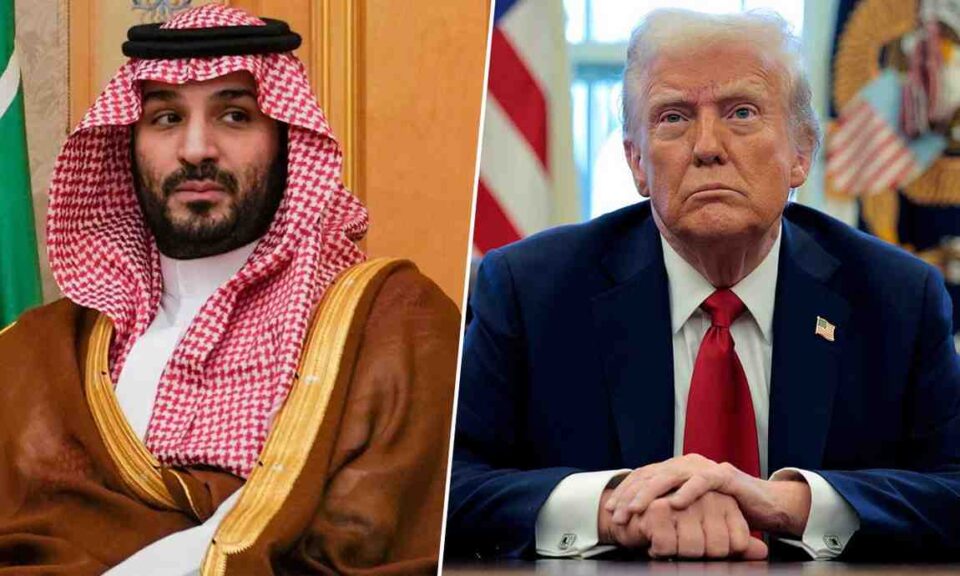
Gulf Nations Reconsider US Investments as Iran Conflict Strains Economies: Report
Riyadh/Dubai — Several wealthy Gulf nations, including Saudi Arabia, United Arab Emirates, Kuwait and Qatar, are reportedly reassessing their financial commitments and investments in the United States as the ongoing conflict involving Iran places increasing economic pressure on the region, potentially reshaping global capital flows. The development comes amid rising costs and uncertainty caused by the military confrontation involving the United States and Israel against Iran, which has triggered instability across the Middle East.
According to reports citing officials familiar with the discussions, governments in the Gulf are reviewing overseas investment plans and evaluating whether large financial commitments made to Western countries—particularly the United States—should be reconsidered in light of the crisis. The financial burden of the conflict, combined with disruptions to energy exports and rising defence spending, is forcing policymakers to reassess economic priorities.
The Stakes
The Gulf economies hold some of the world’s largest sovereign wealth funds and are major investors in global markets, wielding enormous financial power. Over the years, these countries have poured hundreds of billions of dollars into infrastructure, technology companies, sports ventures, and real estate projects across the United States and Europe.
However, with regional tensions escalating, officials are now examining whether those investment commitments remain sustainable.
Financial Strain
The financial strain stems partly from disruptions to the region’s energy sector, the foundation of Gulf wealth. Attacks on oil and gas infrastructure, as well as threats to shipping routes, have raised costs for Gulf economies that rely heavily on energy exports.
At the same time, governments are facing increased defence spending to protect their territories from potential missile or drone strikes linked to the conflict, diverting funds from other priorities.
Tourism and Aviation Hit
Regional leaders are also concerned about broader economic consequences, including declines in tourism and aviation activity. The Gulf has built major global travel hubs over the past two decades, but the ongoing conflict has caused flight disruptions and reduced visitor numbers.
These pressures are adding to the financial challenges faced by governments that are already dealing with volatile energy markets and uncertain revenue streams.
Options Under Review
Officials familiar with the discussions said the countries involved are exploring a range of options, all of which could have significant consequences. These include reviewing investment pledges, reconsidering sports sponsorship deals, renegotiating business contracts, and potentially selling certain overseas assets.
Some governments are also examining legal mechanisms—such as force majeure clauses—that could allow them to alter or delay financial commitments made earlier.
Global Implications
The potential reconsideration of investments could have significant global implications, affecting markets far beyond the Gulf. Gulf sovereign wealth funds play a major role in international finance and have been key investors in major American companies and infrastructure projects.
Any slowdown or withdrawal of capital from the United States could affect markets and corporate investment plans, creating ripple effects.
Political Implications
Analysts say the development may also carry political implications for Donald Trump’s administration, which has staked significant capital on Gulf ties. Large investment deals with Gulf countries have been presented as a major diplomatic and economic success for Washington.
For example, the United States secured massive investment commitments from regional partners in recent years, including pledges worth hundreds of billions of dollars across sectors such as energy, defence, and technology.
If Gulf governments begin scaling back these commitments, it could increase pressure on Washington to reconsider its strategy in the Middle East conflict. Some analysts believe that financial leverage from Gulf allies could push the United States to pursue a quicker diplomatic resolution with Iran in order to stabilise the region.
Gulf Voices
Business leaders in the Gulf have already voiced concerns about the impact of the conflict. Prominent Emirati businessman Khalaf Al Habtoor criticised the escalation and warned that continued military confrontation could damage both regional economies and international investment flows.
No Final Decisions Yet
For now, Gulf governments have not publicly confirmed any final decisions on reducing investments. However, the discussions highlight growing frustration among regional allies who feel increasingly exposed to the economic consequences of a war they did not initiate.
Conclusion
As the conflict continues to reshape geopolitical and financial dynamics in the Middle East, the future of Gulf investment in the United States may depend largely on how quickly tensions with Iran can be reduced and regional stability restored.
Gulf billions hang in the balance. As the Iran war drains treasuries, America’s closest allies rethink their investments.
