
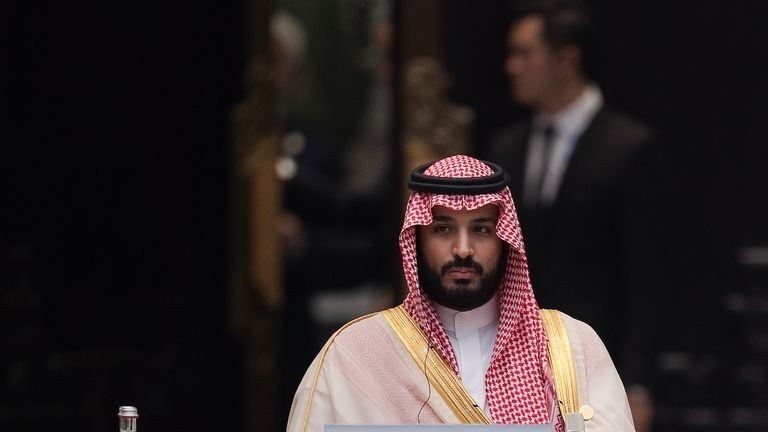
Saudi Arabia Bans Use of Its Territory for Military Action Against Iran, Crown Prince Tells President
In a definitive diplomatic statement, Saudi Crown Prince and Prime Minister Mohammed bin Salman has declared that the Kingdom will not permit its airspace, land, or territory to be used for any military operations against Iran. The announcement was made during a direct phone conversation with Iranian President Masoud Pezeshkian on January 27, 2026, marking a significant policy stance amid ongoing regional volatility.
According to the Saudi Press Agency (SPA), the Crown Prince emphasized Saudi Arabia’s respect for Iran’s sovereignty and territorial integrity. He explicitly stated that Riyadh would not allow any external party to leverage Saudi territory for attacks on Tehran, a position that applies universally regardless of the source or intent. This firm declaration underscores a strategic effort to avoid direct entanglement in potential regional conflicts.
A Clear Preference for Diplomacy and Dialogue
Moving beyond a simple refusal, Crown Prince Mohammed bin Salman reiterated Saudi Arabia’s commitment to resolving disputes through peaceful dialogue and diplomacy. He highlighted negotiation as the essential path to enhancing regional security and stability, reflecting a broader Saudi strategic shift toward de-escalation and constructive engagement with Iran, following a notable rapprochement that began in 2023.
Iranian media reported that President Pezeshkian welcomed the Saudi assurances, expressing appreciation for the stance on sovereignty. Tehran reaffirmed its own commitment to peaceful solutions, noting that efforts to prevent war and operate within international law align with its interests and regional stability goals.
Strategic Context: Regional Tensions and Gulf Stances
The high-level conversation occurs against a backdrop of renewed regional tension. Recent weeks have seen an increased U.S. military presence in Middle Eastern waters, including a carrier strike group deployment, as Washington responds to Iranian political unrest and nuclear activities. While U.S. officials emphasize a preference for diplomacy, they have not excluded military options.
Saudi Arabia’s position aligns with a similar declaration from the United Arab Emirates (UAE), which also stated it would not allow its territory to be used for hostile action against Iran. This growing Gulf consensus presents a significant diplomatic and logistical complication for any potential external military strikes, signaling a regional priority for stability over conflict.
Strategic Implications and a Shift in Regional Policy
The Saudi stance is particularly noteworthy given the Kingdom’s historic alliance with the United States and its longstanding rivalry with Iran. By publicly declining involvement in military action, Riyadh signals a desire for strategic independence and a focus on protecting its own economic and security priorities, notably the Vision 2030 reform agenda.
Analysts suggest this move is designed to insulate the Kingdom from the destabilizing effects of a direct confrontation. It represents a mature diplomatic posture that prioritizes regional stability, open channels of communication, and conflict avoidance, even amid complex proxy dynamics and mistrust.
Also Read: UAE Petrol Prices February 2026: Likely to Increase After January Dip
A Message of Restraint with Global Resonance
The Crown Prince’s clear message positions Saudi Arabia as a proactive force for de-escalation. By taking its territory “off the table” for potential hostilities, Riyadh sends a powerful signal to global powers and regional actors alike about its commitment to a diplomatic path forward. The positive reception from Tehran suggests a potential for continued, cautious cooperation. As the world watches the Middle East, this firm stance may prove instrumental in containing escalation and fostering a more secure regional landscape.
